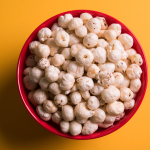
Makhana, also known as fox nuts or lotus seeds, has become one of India's most popular healthy snacks. Its unique combination of lightness, crispiness, and satisfying crunch makes it a preferred choice for health-conscious consumers.
But what exactly makes makhana so crunchy?
The answer lies in a fascinating combination of traditional processing methods and food science. From moisture control to roasting and popping, every stage plays a crucial role in creating the airy texture that makhana lovers enjoy.
Let's explore the science behind makhana's signature crunch.
Makhana is obtained from the seeds of the aquatic plant known as the fox nut plant. These seeds are harvested, dried, roasted, and popped through a traditional process that has been practiced in India for generations.
Unlike many processed snacks, makhana undergoes minimal processing while retaining its naturally appealing texture.


The journey of makhana begins in ponds and wetlands where the seeds are harvested. Fresh seeds contain a significant amount of moisture and have a hard outer shell.
Before they become the crunchy white puffs found in stores, they undergo multiple stages of drying and heating.
One of the most important factors affecting makhana's texture is moisture content.
When moisture levels are carefully controlled:
✅ Better crunch develops
✅ Shelf life improves
✅ Texture remains consistent
✅ Quality remains stable
Too much moisture can make makhana soft and chewy, while insufficient moisture can affect the popping process.
The perfect balance is essential for producing premium-quality makhana.


After drying, makhana seeds are roasted at controlled temperatures.
During roasting:
This stage prepares the seed for the transformation that creates its signature crunch.
The most fascinating part of makhana processing is the popping stage.
When properly heated seeds are processed:
This rapid expansion creates the airy structure responsible for makhana's light weight and crispy bite.
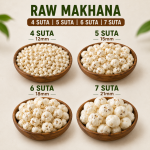
Not all makhana delivers the same snacking experience.
Premium-grade makhana usually offers:
Larger and healthier seeds tend to pop more uniformly.
Uniform sizes ensure even roasting and popping.
Proper drying helps maintain crispiness.
Premium processing produces better texture and appearance.
This is why premium-quality makhana often feels lighter, cleaner, and crunchier than lower-grade varieties.


One of the main reasons makhana feels so light is the presence of microscopic air pockets.
These air pockets:
This unique structure allows makhana to deliver a crunchy experience without feeling heavy.
Many consumers notice that makhana can become soft after opening the package.
The primary reason is moisture absorption from the surrounding environment.
Common causes include:
As moisture enters the puffed structure, the air pockets lose their crisp texture.
Protect makhana from humidity and air exposure.
Store in a cool and dry place.
A quick dry roast for 2–3 minutes can help restore crunchiness.
Freshly processed makhana generally retains texture better.
Research shows that texture significantly influences snack satisfaction.
Crunchy foods often provide a more enjoyable eating experience, making healthier alternatives easier to adopt.
Makhana offers:
✔ Light texture
✔ Crispy bite
✔ Versatile flavor options
✔ Satisfying snacking experience
This unique combination has helped makhana become one of India's fastest-growing healthy snack categories.
The crunch of makhana is the result of a carefully controlled process involving moisture management, roasting, steam expansion, and popping.
Every crispy bite is a product of traditional expertise combined with fascinating food science.
Understanding the science behind makhana's crunch not only enhances appreciation for this traditional snack but also highlights the importance of quality processing in delivering the perfect texture.
Whether enjoyed plain, roasted, or flavored, makhana continues to offer a light and satisfying crunch that snack lovers appreciate.